
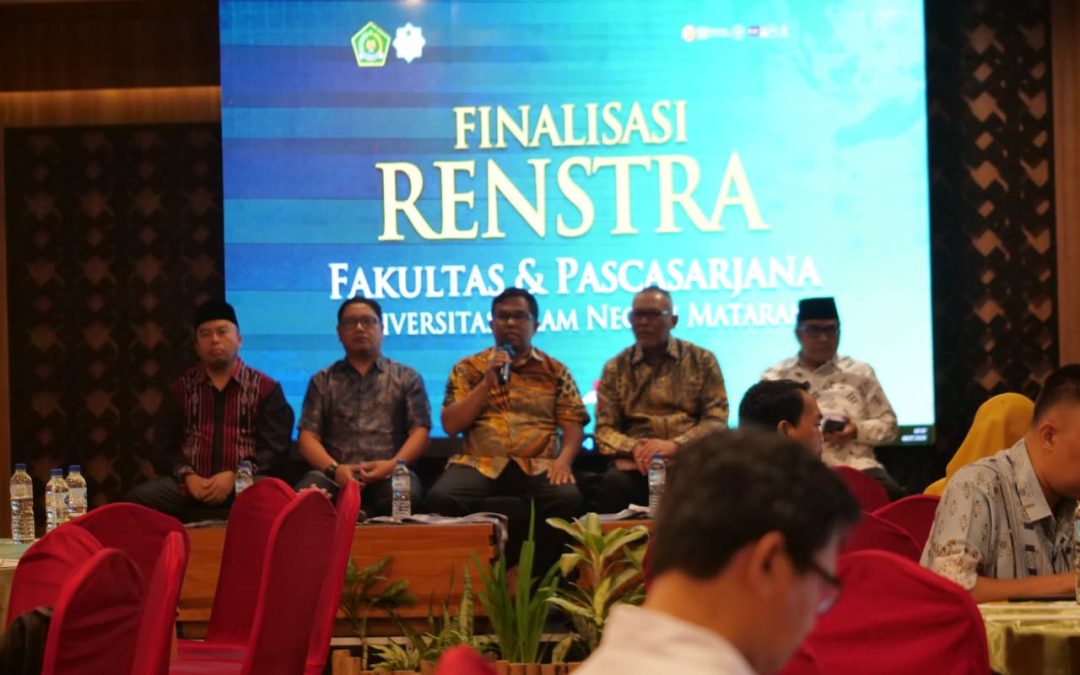
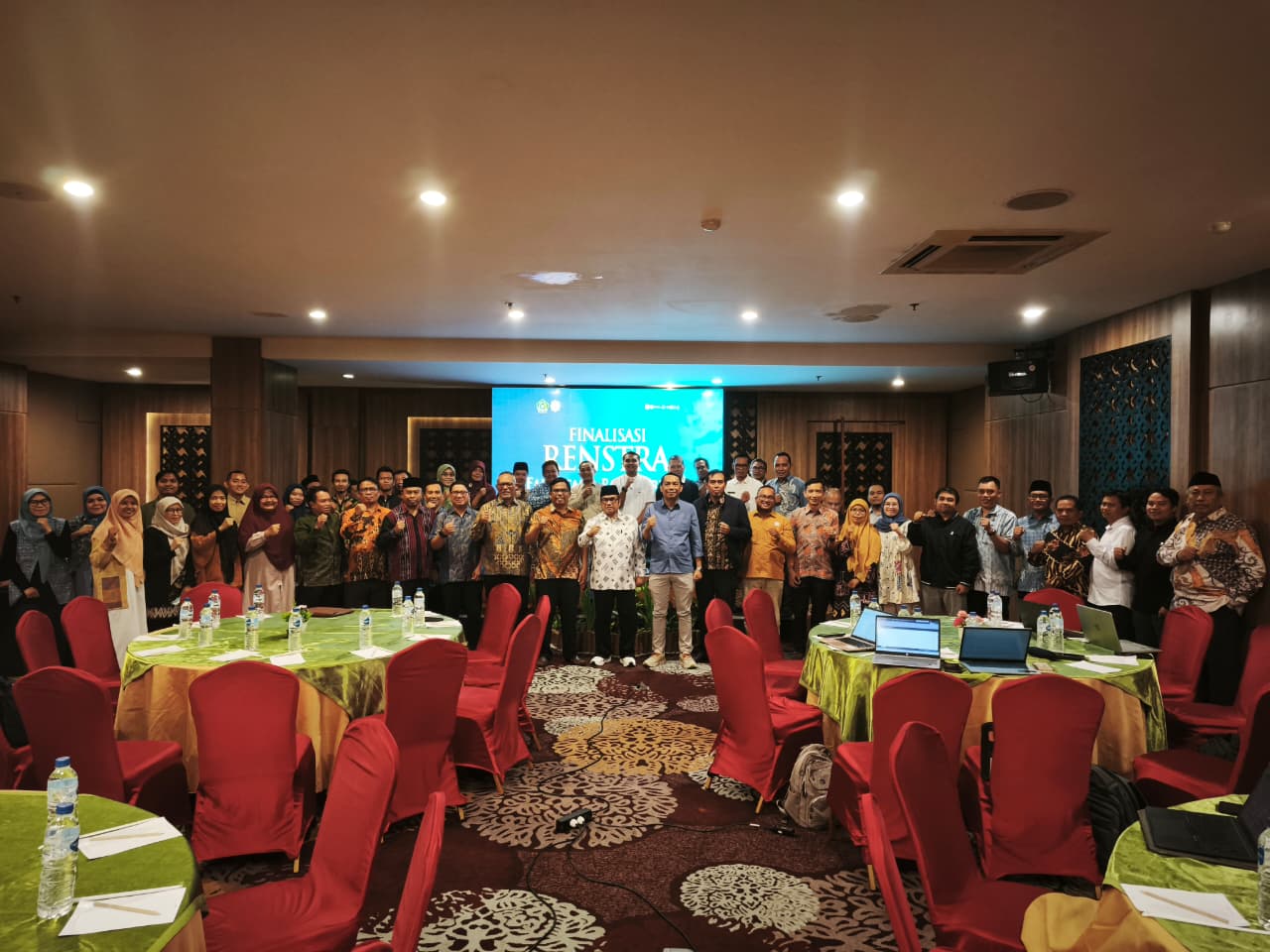
Amidst the grand ambition of achieving global recognition, Mataram State Islamic University (UIN) suddenly gathered all its academic elites for a crucial agenda: the review of the Strategic Plan (Renstra). However, behind the formality of the meeting table, a reality that deserves criticism has emerged. All levels of leadership, from the Dean, Director, Deputy Dean, Head of Institution, and Head of Unit, to the spearheads of study programs like Program Head and Deputy Program Head, are forced to sit together to realign the organization’s compass direction that had been stalled.
This Renstra review is essentially a five-yearly evaluation ritual aimed at realigning policy directions, priority programs, targets, and performance indicators with regulatory changes and the strategic environment. However, the urgency this time feels different and is laden with external pressures that cannot be postponed any longer.
Shocking Admission from the Quality Assurance Agency (LPM): UIN Mataram Operates Without a Strategic Plan Reference
The activity, led by the Quality Assurance Institution (LPM) of UIN Mataram through the LPM Secretary, Prof. Dr. H. Abdul Quddus, MA, revealed the internal issues that had been happening. In his address, Prof. Abdul Quddus made a rather surprising confession regarding the reference conditions of the campus agenda over the past few months.
We acknowledge that in the past few months, various agendas and activities at UIN Mataram have not directly referred to the Renstra document. This happened due to delays in the completion of the strategic plan at the central Ministry of Religious Affairs level,” stated Prof. Abdul Quddus in front of the participants.
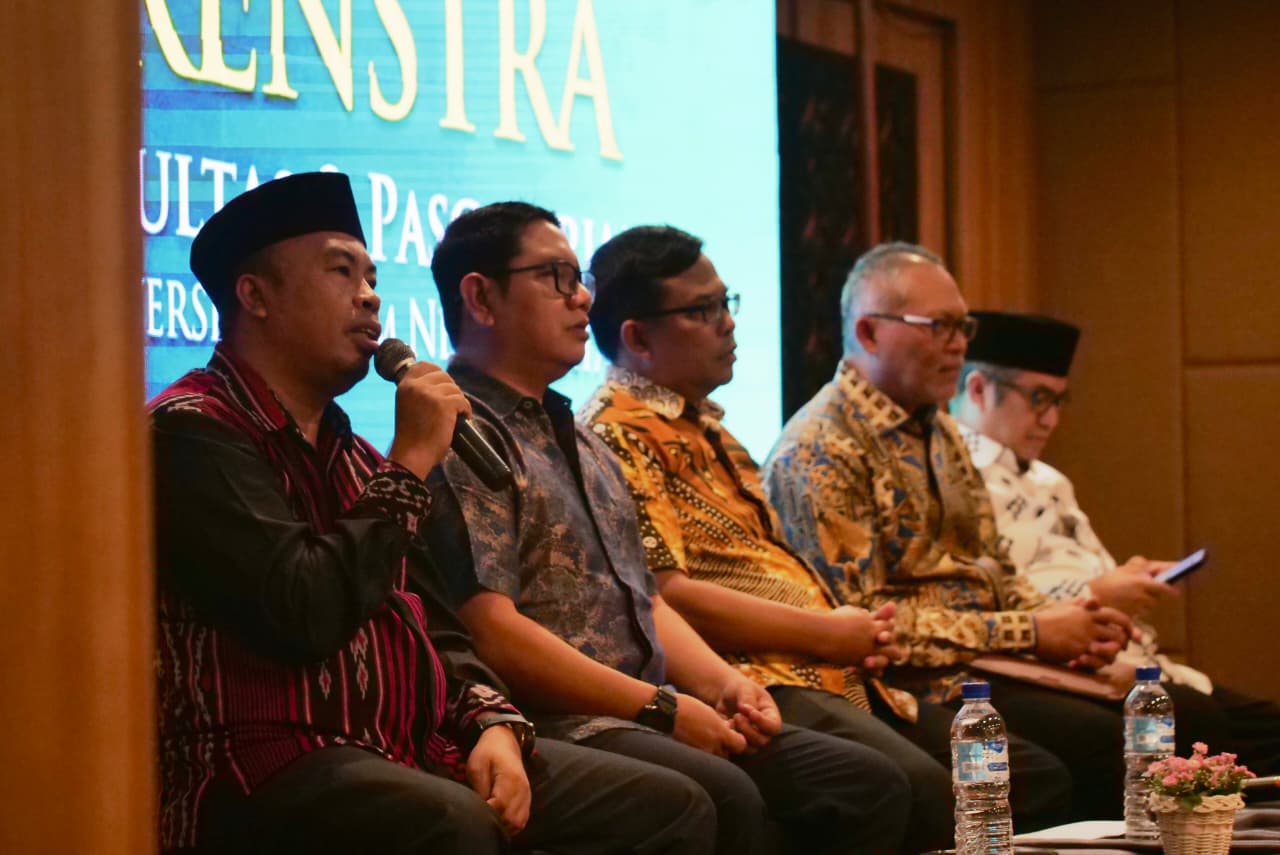
However, he quickly emphasized that the campus activities’ maneuvers from some time ago were claimed not to be reckless but rather still within the framework of the UIN Mataram Master Development Plan (RIP) that had been established. Now, with the completion of the new UIN Mataram Strategic Plan, the LPM has issued a stern warning that there is no longer any reason to act independently. This document must be an absolute and non-negotiable reference for all institutions, units, and faculties without exception.
Ultimatum from the Vice Rector I: Don’t Play Around with ACQUIN Targets A similar firmness was emphasized by the vice rector II for academic affairs of UIN Mataram, Prof. Dr. H. Adi Padli, M.Ag., during the official opening of the event. In a speech full of emphasis, he reminded everyone of the essence of the Strategic Plan, which is not merely a decorative document on a bookshelf. The UIN Mataram Strategic Plan is the embodiment of the Development Master Plan, derived periodically and directly stemming from the Ministry of Religious Affairs’ Strategic Plan.
Prof. Adi Padli issued a sharp warning regarding the university’s major agenda on the horizon, namely the preparation of the ACQUIN international accreditation form. This international agenda is a gamble on UIN Mataram’s reputation on the global stage, and its success heavily depends on the institution’s adherence to this planning document.
“All faculties, institutions, units, and study programs must use the Strategic Plan as their primary reference when carrying out activities. The strategic plan must be an absolute reference for all faculties, institutions, units, and study programs in carrying out activities.” Especially in the preparation of the international ACQUIN form, which is our main agenda currently, all movements must refer to that document. “No bargaining,” emphasized Prof. Adi Padli.
Peeling Back the Essence of Planning: Not Just Filling Empty Paper To dissect how this strategic document should work, UIN Mataram brought in an expert from UIN Maulana Malik Ibrahim Malang, Prof. Sugeng, as the main speaker. In his presentation after the opening session, Prof. Sugeng delved deeply into how the chain of connections between the Ministry of Religious Affairs’ strategic plan, the Institutional Work Plan, and the Faculty-level Strategic Plan should be continuous and uninterrupted.
This planning expert reminded the leaders at UIN Mataram to change their mindset in drafting strategic documents. Writing targets on paper is an uncomplicated task, but formulating the essence that reflects the potential, uniqueness, and real strengths of UIN Mataram is the real challenge.
The process of reviewing this five-year document requires a comprehensive approach that addresses four main steps. This five-year document requires a comprehensive review process that addresses four main steps. to comprehensively address four main steps. The steps begin with adjusting the vision and mission to ensure the organization’s goals remain relevant to the larger long-term aspirations. Next, a strict evaluation of the key performance indicators (KPIs) is conducted to ensure that the set targets become more realistic and can be measured scientifically. Equally important, program validation must also be conducted to filter out activities that truly have a significant impact in accordance with the main tasks, functions, and budget availability. This step is then concluded with regulatory adjustments to ensure total compliance with the relevant ministry’s guidelines.
Furthermore, Prof. Sugeng reminded us that after this macro document is completed, the most significant homework for the leaders is to break it down into annual operational plans. Without a detailed operational breakdown, the strategic plan will remain ineffective. The division of annual targets will later facilitate planning management while also mitigating the chaos of financial budgeting so that even the most ambitious targets can be achieved with more rational and measurable steps.